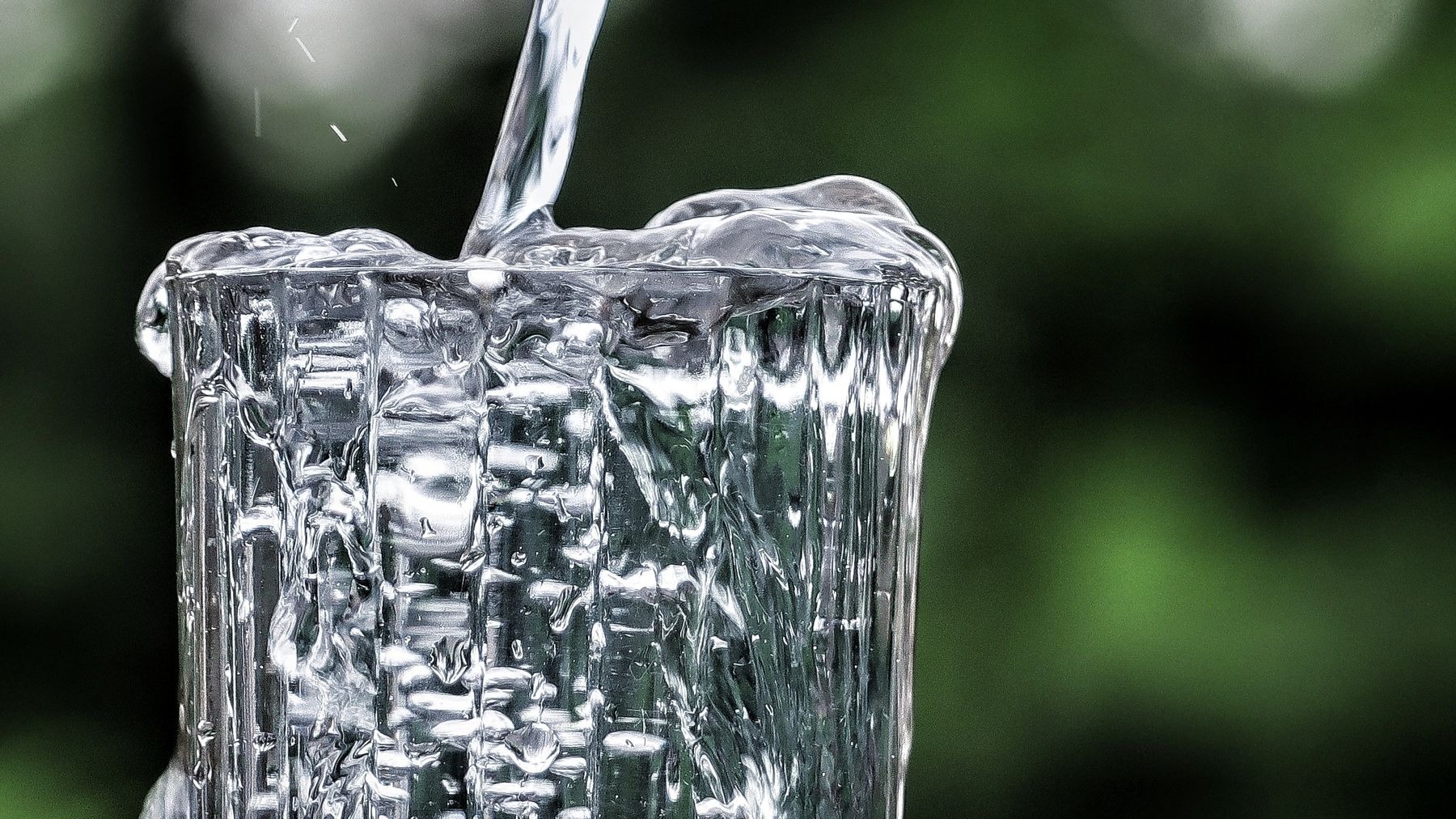
A study just published by researchers at the Adelaide University's Robinson Research Institute is worth knowing about, with one important detail up front: it was carried out in mice, not people. The research team gave female mice tap water dosed with three PFAS chemicals, PFOS, PFOA and PFHxS, at concentrations matched to levels detected in real Adelaide households — concentrations that sit within what current regulatory guidelines consider acceptable. Animal research like this is typically an early step toward understanding a chemical's biological effects, not a direct finding about human pregnancy, and nothing here changes what counts as an acceptable exposure level under Australian guidelines today. What makes this particular study notable for anyone thinking about home filtration is what happened when the same tap water was passed through a carbon filter first.
The Filtration Finding
As part of the same experiment, the researchers also tested tap water that had first been run through carbon filtration before it was given to a separate group of mice. Adelaide University's own account of the results notes that this part of the study tested filtered water too — carbon filtration removed the PFAS involved, and the mice given that water didn't show the same embryo effects as the group drinking the untreated tap water. That's a meaningful result because it wasn't just measured in a lab beaker, it held up in the animals themselves. It's also worth being precise about what it does and doesn't establish: this was the researchers' own carbon filtration setup, tested in their own lab, not an endorsement of any particular commercial filter or brand, and PFAS removal performance varies across different filtration technologies and products.
What Else the Study Found
The core of the research looked at what happened when mice drank the unfiltered tap water at those Adelaide-matched, currently-acceptable PFAS concentrations. Lead author Dr Yasmyn Winstanley and senior author Professor Rebecca Robker based the dosing concentrations on tap water sampled from central Adelaide and four homes across the metro area, with the findings also reported by Phys.org and published in the journal Environmental Research. After four weeks of exposure, the embryos of the exposed mice had fewer functioning cells, showed DNA damage, and had reduced viability compared with controls. Mice exposed for six months went on to have offspring born at a lower fetal weight, an outcome the researchers link to longer-term health risks including obesity, diabetes and cardiovascular disease. These effects appear to carry through to the following two generations of female offspring as well, and didn't resolve once the exposure stopped.
What the Researchers Themselves Concluded
It is worth being clear about where the research team put the emphasis, because it was not on home filtration. Senior author Professor Rebecca Robker framed the findings as a regulatory matter, saying the results carry "important implications for health and highlights the urgent need for better water quality standards to reduce exposure to PFAS and other chemicals," and that alongside removing PFAS from the environment we need "greater awareness of the presence of trace levels in our tap water." The study's next stage, by the university's account, is testing technologies to remediate PFAS in tap water at the supply end rather than the tap end.
We are a filtration retailer, so the filtration result is naturally the part of this study we find most interesting — but it was one component of a piece of research whose authors are principally calling for better standards in the water everyone receives. Both things can be true, and the second is the one they led with.
What This Means for Your Queensland Home
This particular research is about Adelaide's water supply specifically, and we're not going to extrapolate its numbers onto Brisbane or the rest of South East Queensland — neither source measured or claimed anything about our region, and we don't have local PFAS figures to offer. What is broadly understood is that trace PFAS has been detected at low levels in some Australian water supplies over the years, generally within levels regulators consider acceptable, which is a big part of why research like this Adelaide study draws national attention rather than staying a local story. For a Queensland household, that's less a reason to worry about any single glass of water today and more a reminder that filtration is one of the few steps you control at the very end of a long journey — treated water travels through ageing mains, storage, and your own home's plumbing before it reaches your tap, picking up whatever that journey adds along the way.
It's worth being precise about what a home filter can promise here, too. Our WHP-3700 benchtop purifier and our WHP-3110 standing purifier both use a 3-stage filtration system (Micro Carbon, Nano Fact Plus, and Post Carbon Block) replaced on a 6-month cycle. We haven't tested our purifiers against PFAS specifically, so we won't claim they address it — the protective result in this study came from the researchers' own filtration setup, not from any product we sell. If PFAS is a specific concern for your household, that's a conversation worth having with a filtration specialist about products actually tested and certified against that contaminant.
Questions Worth Asking About Any Water Filter
- What does it actually filter? Ask for the specific contaminants a filter is tested against — "purifies your water" on its own doesn't tell you much.
- How often does the cartridge need replacing? A filter left in past its rated life stops performing at its rated level, no matter how well it worked on day one.
- Is it certified? Look for WaterMark certification on any purifier connected to your home's plumbing — it's the mark that confirms a plumbing product meets Australian standards.
- Is the supplier keeping up with new research? PFAS science is moving quickly; a reputable supplier should be able to tell you what a filter is, and isn't, tested for today.